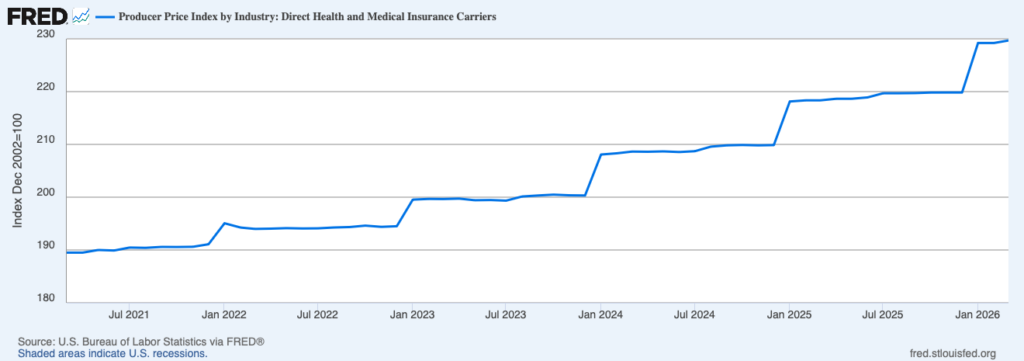
For more than two decades, the dominant explanation in health policy research has been simple: it is the prices. Early this year, however, some commentators began arguing that spending growth was being driven primarily by utilization and service intensity, not prices. So what’s the right answer?
Tackling prices key to White House health care affordability plan
Dan Aronowitz, assistant secretary of labor and head of the Employee Benefits Security Administration produced a report on employer health policy priorities focused on reining in prices.
Vivian Ho: Price secrecy keeps health care expensive
In our opaque health care system, neither patients nor employer health plans really know what anything costs. Bipartisan price transparency legislation would significantly reduce health expenditures, including those of employer health plans.
As health costs rise faster than revenue or wages, boards can work with management to ensure that their health plans support corporate strategy and fulfill the company’s fiduciary obligations. Boards can strengthen their company’s competitiveness through diligent oversight of health care.
Rising Employee Health Insurance Costs Dampening Wage Growth
Wage growth for workers at
businesses experiencing an increase in employee health insurance costs would have been about one percentage point higher, on average, if health insurance costs had held steady—the equivalent of a 20 percent drag on wage growth.